
CBT for anxiety, perfectionism & depression
Private-pay Cognitive Behavioral Therapy (CBT) for anxiety, perfectionism, and depression with Dr. Cinthia Benitez. Online therapy in English and Spanish for adults and teens ages 16 and older in Ohio and eligible PSYPACT states.
Individual care may include DBT-informed skills. All appointments are arranged directly with Dr. Benitez.
Explore CBT for perfectionism · PSYPACT online therapy and state eligibility · Fees and FAQs
How I Work
Cognitive Behavioral Therapy (CBT)
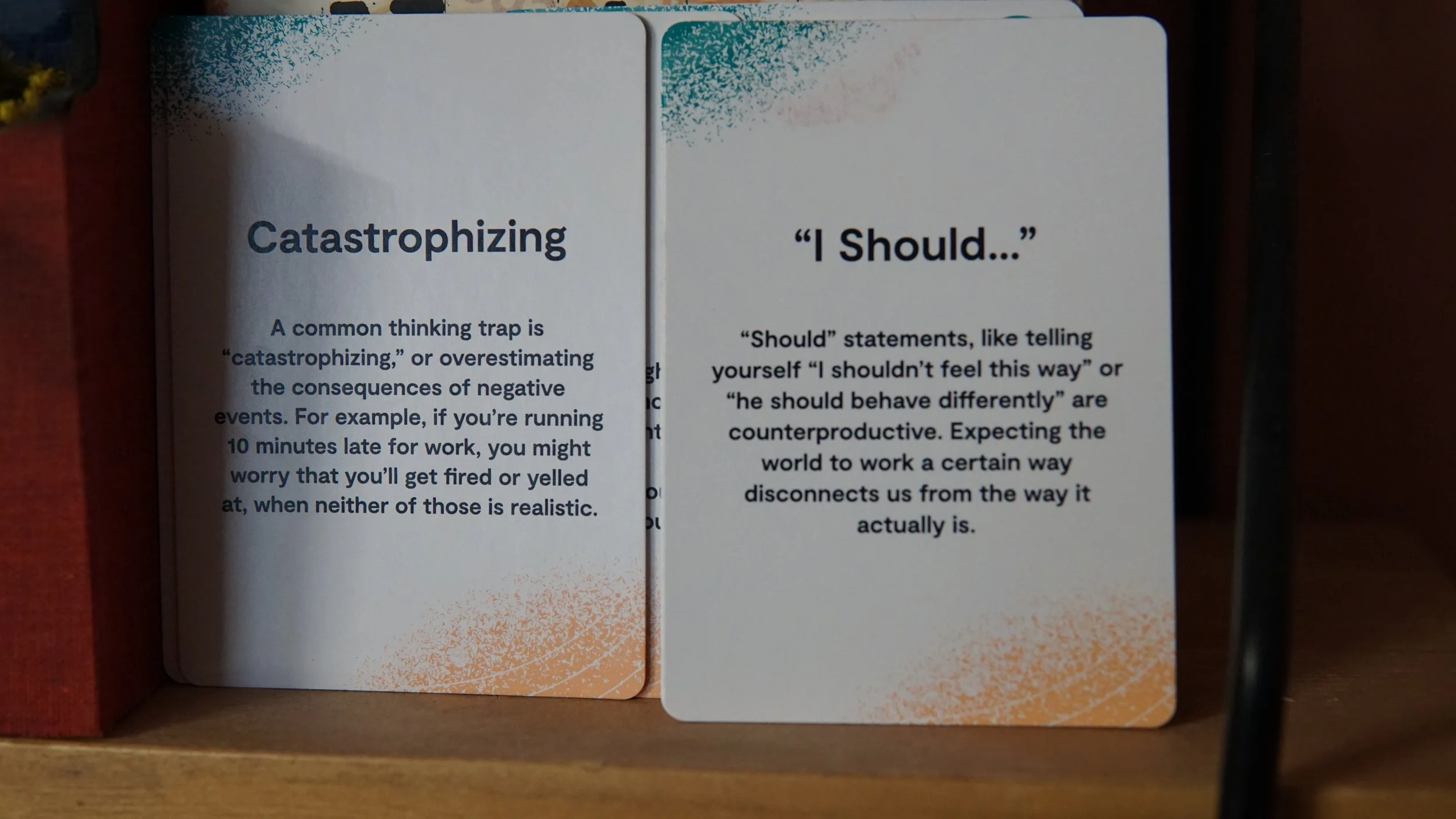
CBT helps you understand how thoughts and behaviors maintain anxiety and depression. Together, we set goals, identify avoidance and self-critical patterns, and practice new responses. Between-session exercises help connect therapy to everyday life.
DBT skills in individual therapy
As a DBT-Linehan Board Certified clinician, I offer DBT-informed care within individual therapy. Practical DBT skills in mindfulness, emotion regulation, distress tolerance, and relationships can support our primary CBT work for anxiety and depression.
I do not offer DBT skills groups or a comprehensive DBT program. If you need that level of care, we’ll discuss an appropriate referral.
Therapy for teens ages 16+ & young adults
School, college, and early adulthood can bring pressure to perform, fit in, and have everything figured out.
Generalized worry and social anxiety
Perfectionism, procrastination, and fear of mistakes
Depression, low motivation, and withdrawal
For clients ages 16 and older, we build practical skills around goals that matter to you.
Therapy for adults
You may be managing work and responsibilities while privately feeling anxious, depleted, or never good enough.
Persistent worry, overthinking, and avoidance
Self-criticism and perfectionism
Depression and difficulty reconnecting with daily life
Request a free 15-minute consultation to discuss fit.